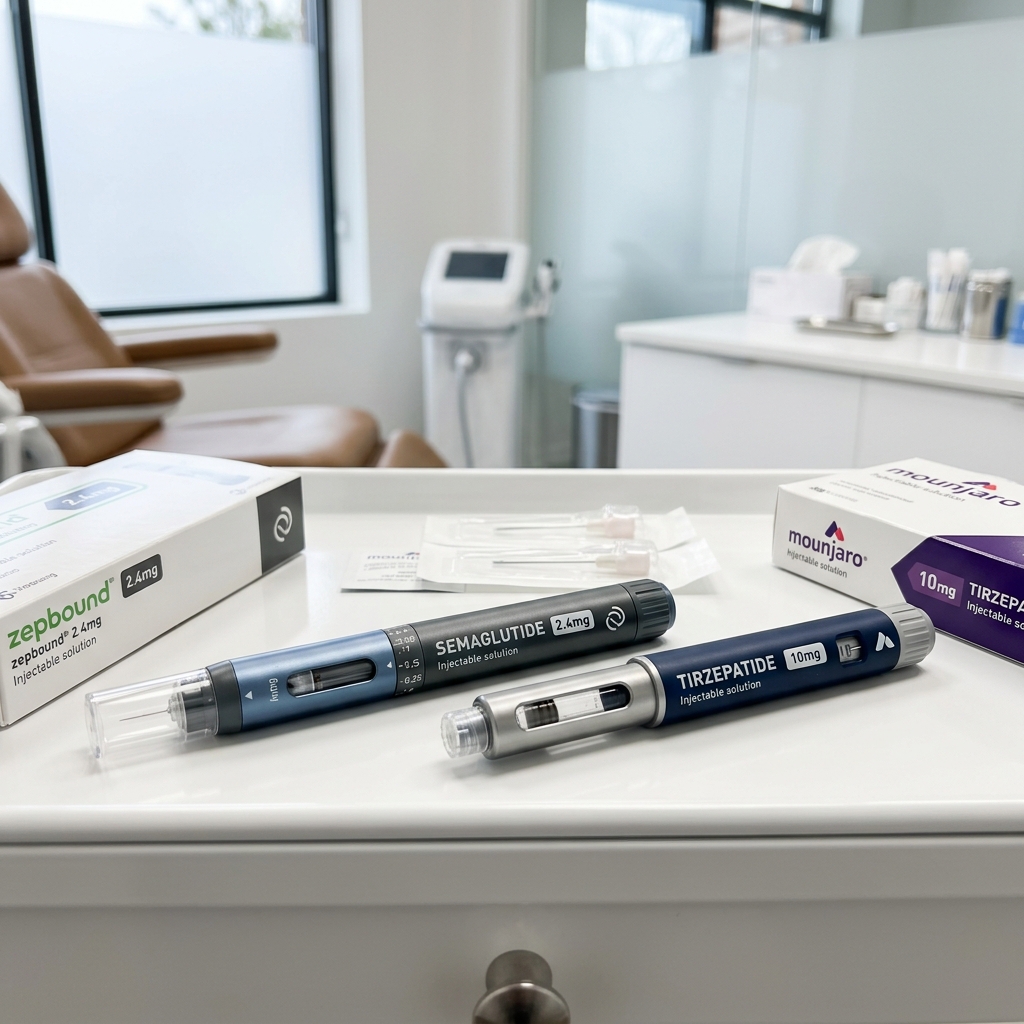
In our daily clinics at Prescriptly, we often see patients start Wegovy or Mounjaro expecting the medication to do 100% of the work. While these injections are incredibly powerful for reducing your appetite, what you actually eat while taking them dictates how successful your journey will be. Getting your diet right helps you maximise weight loss, dodge those nasty side effects, and keep the weight off for good.
Here are the most important dietary strategies our clinical team recommends to all our patients.
Prioritise Protein at Every Meal
When you are eating significantly less than before, the risk of losing lean muscle mass alongside fat increases. Protein is the single most important nutrient to prioritise on GLP-1 treatment.
Aim for at least 25–30 grams of protein per meal — even if the meal itself is small. Good sources include:
- Chicken, turkey, and lean beef
- Salmon, tuna, and white fish
- Eggs and low-fat Greek yoghurt
- Lentils, chickpeas, and tofu
- Cottage cheese and low-fat dairy
A protein-first eating approach — building meals around a protein source before adding carbohydrates — also helps regulate blood sugar and keeps you fuller for longer.
Eat Smaller, More Frequent Portions
GLP-1 medications slow gastric emptying, meaning food stays in your stomach for longer. Eating large meals can cause significant discomfort, bloating, and nausea as a result.
Rather than three large meals, aim for four to five smaller meals or snacks spread through the day. Stop eating at the first sign of fullness — your satiety signals will be stronger and faster than you are used to. Continuing to eat past this point is one of the most common causes of nausea in the early weeks of treatment.
A practical tip: use smaller plates, eat slowly, and put your cutlery down between bites.
Stay Well Hydrated
Reduced food intake can mean reduced fluid intake from food — and GLP-1 medications can contribute to dehydration, particularly if you experience any vomiting or diarrhoea in the early titration phase.
Aim for at least two litres of water per day, and more if you exercise. Herbal teas, diluted no-added-sugar squash, and sparkling water all count. Signs of dehydration — headaches, fatigue, and dizziness — are sometimes mistakenly attributed to the medication itself.
Avoid drinking large amounts with meals, as this can worsen the sensation of fullness and contribute to nausea.
Focus on Nutrient-Dense Foods
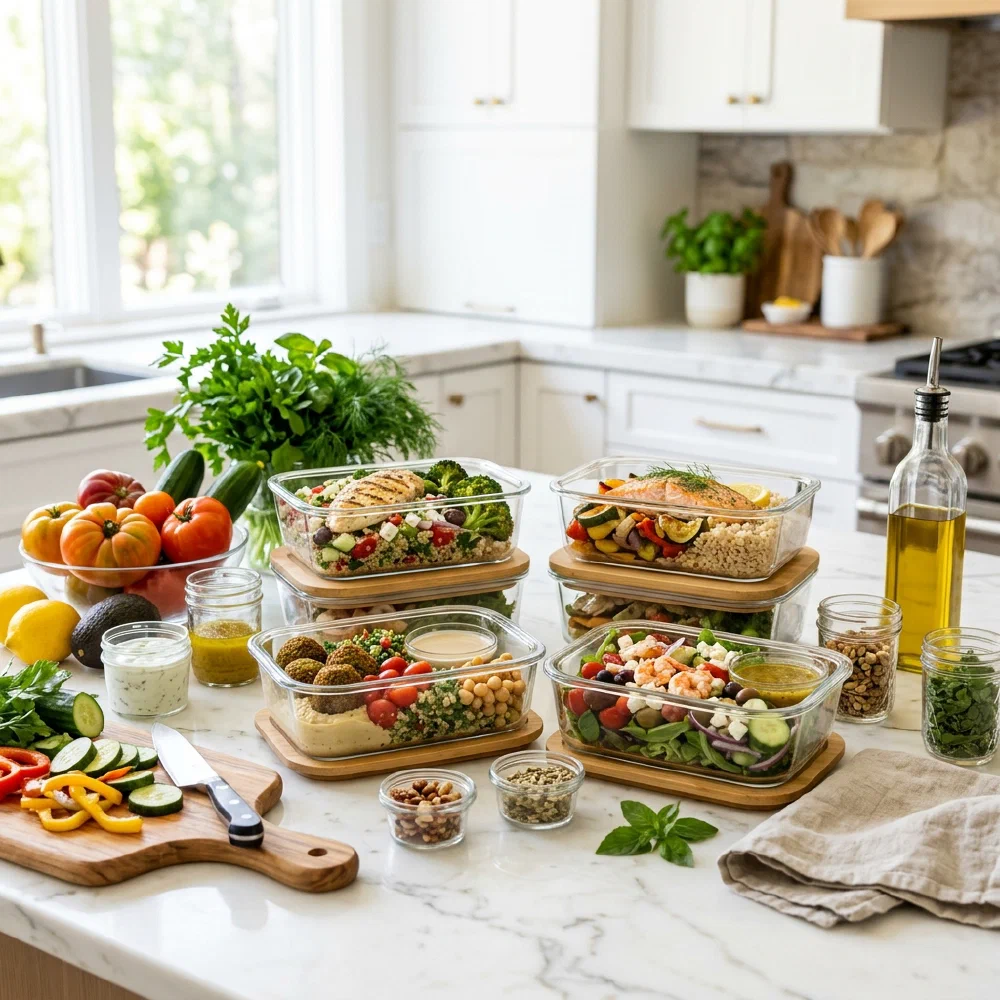
Because your overall calorie intake will be lower, every meal needs to work harder nutritionally. Prioritise foods that are high in micronutrients relative to their calorie content:
- Vegetables: aim to fill at least half your plate with non-starchy vegetables (spinach, broccoli, courgette, peppers, cucumber)
- Wholegrains: choose oats, quinoa, and brown rice over refined white carbohydrates where possible
- Healthy fats: avocado, extra virgin olive oil, nuts, and seeds in moderate portions support hormone function and nutrient absorption
- Legumes: beans and lentils provide both protein and fibre in a single food
Ultra-processed foods, high-sugar snacks, and refined carbohydrates are not forbidden, but they provide little nutritional value and can worsen nausea and blood sugar fluctuations.
Eat High-Fibre Foods to Support Gut Health
Constipation is one of the more common side effects of GLP-1 medications, particularly during dose escalation. Adequate fibre intake helps maintain regular bowel movements and supports the beneficial gut bacteria that GLP-1 medications interact with.
Aim for 25–30 grams of dietary fibre per day from sources such as:
- Oats and wholegrain bread
- Vegetables (particularly leafy greens, broccoli, and carrots)
- Beans, lentils, and chickpeas
- Berries and apples (with skin)
- Flaxseeds and chia seeds
Introduce fibre gradually if your gut is sensitive — too much too fast can cause bloating and discomfort.
Limit or Avoid Alcohol
Alcohol is worth addressing directly. GLP-1 medications can change the way your body processes alcohol — many patients report feeling the effects of alcohol more quickly and intensely than before. This is partly because your stomach empties more slowly, and partly because GLP-1 receptors are present in reward pathways in the brain that alcohol also activates.
There are also practical concerns: alcohol is calorie-dense with no nutritional benefit, and regular drinking can stall weight loss progress. If you do drink, stick to small amounts with food, choose lower-alcohol options, and never drink on an empty stomach.
Managing Nausea Through Food Choices
Nausea is the most commonly reported side effect, especially in the first four to eight weeks of treatment. Certain foods tend to trigger or worsen it:
Foods to approach with caution:
- High-fat, greasy, or fried foods (delay gastric emptying further)
- Very spicy foods
- Strong-smelling foods
- Carbonated drinks with meals
- Dairy if you are lactose-sensitive
Foods that tend to be well-tolerated:
- Plain crackers or toast
- Plain rice or pasta
- Bananas and boiled potatoes
- Ginger tea or ginger chews (natural anti-nausea remedy)
- Cold or room-temperature foods (which tend to have less aroma)
When you get your nutrition right, you unlock the full potential of these treatments.
If you are struggling with side effects, hit a weight loss plateau, or just aren’t sure what you should be eating, don’t hesitate to reach out. As Prescriptly patients, you have direct access to our clinical team—we’re here to help you navigate this.
What About Supplements?
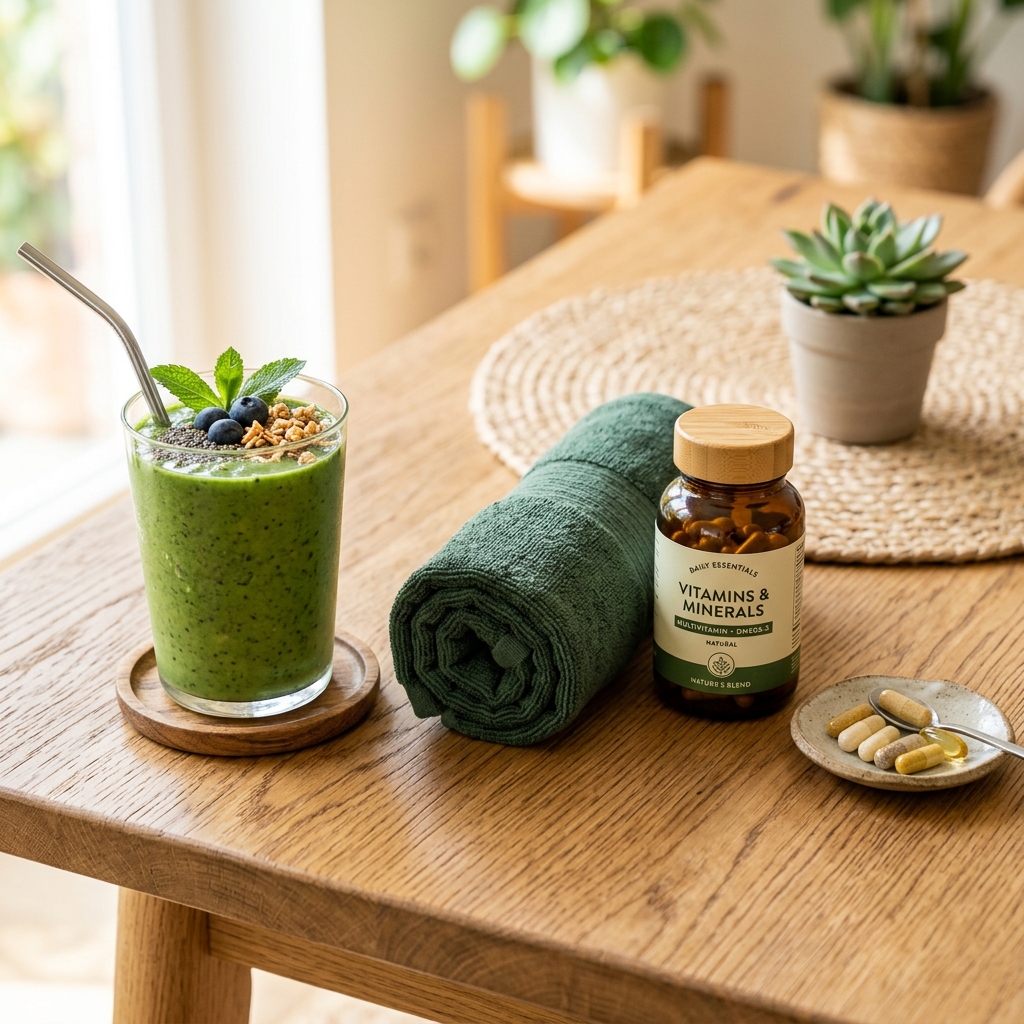
With reduced food intake, certain micronutrient deficiencies can develop over time. Patients on GLP-1 medications for extended periods often benefit from:
- A daily multivitamin to cover general micronutrient bases
- Vitamin D and calcium if dairy intake is low
- Omega-3 fish oil if oily fish consumption is limited
- Magnesium if you experience muscle cramps or constipation
Discuss specific supplementation with our clinical team, who can advise based on your individual dietary intake and any blood results.
Dietary changes alongside GLP-1 medication are not about strict rules or calorie counting — they are about eating in a way that complements how the medication is working in your body. If you have questions about your diet during treatment, our pharmacist-prescribers are available to support you throughout your Prescriptly journey.