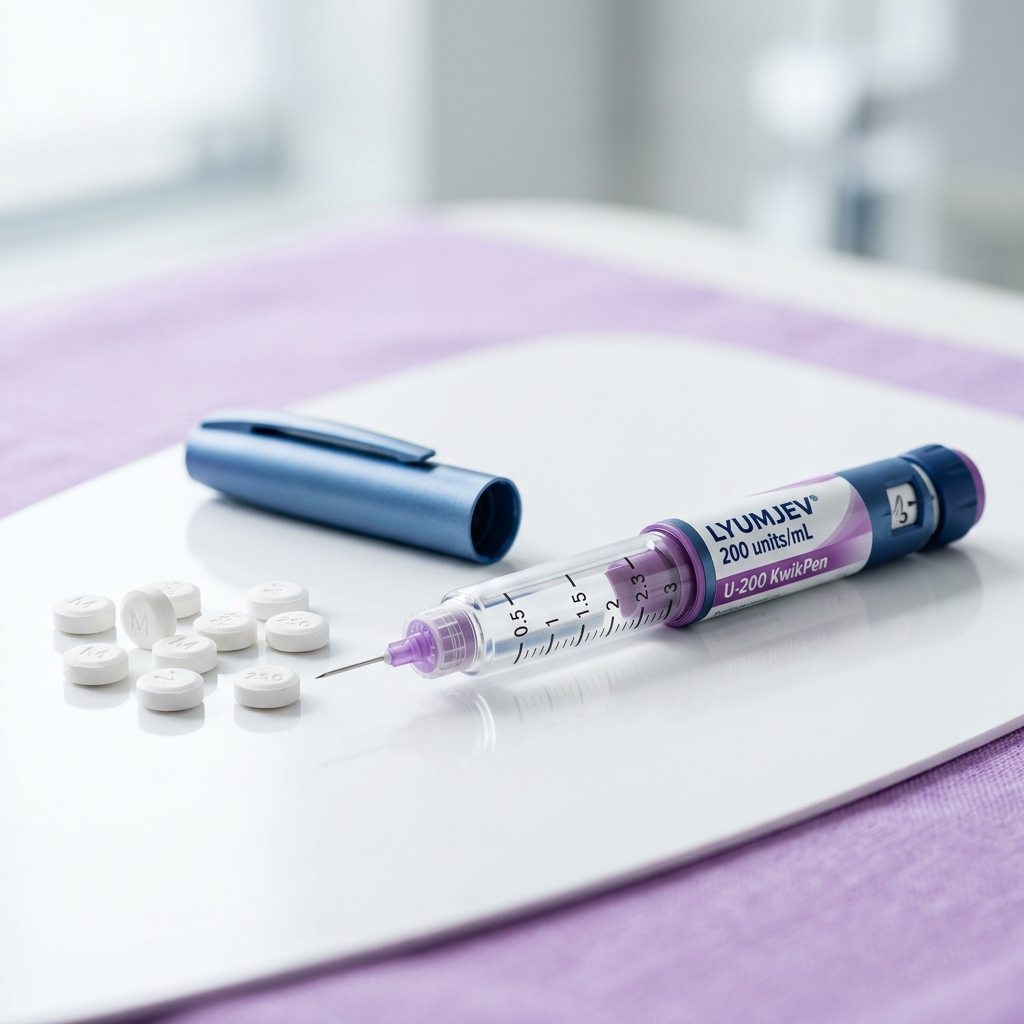
The injectable GLP-1 medications — Wegovy and Mounjaro — have already transformed the treatment of obesity. But the next generation of weight loss drugs is already in late-stage clinical trials, and some are months away from regulatory approval. For patients who are needle-averse, or who simply want to understand what is coming, here is a clear-eyed look at the landscape ahead.
Where We Are Now
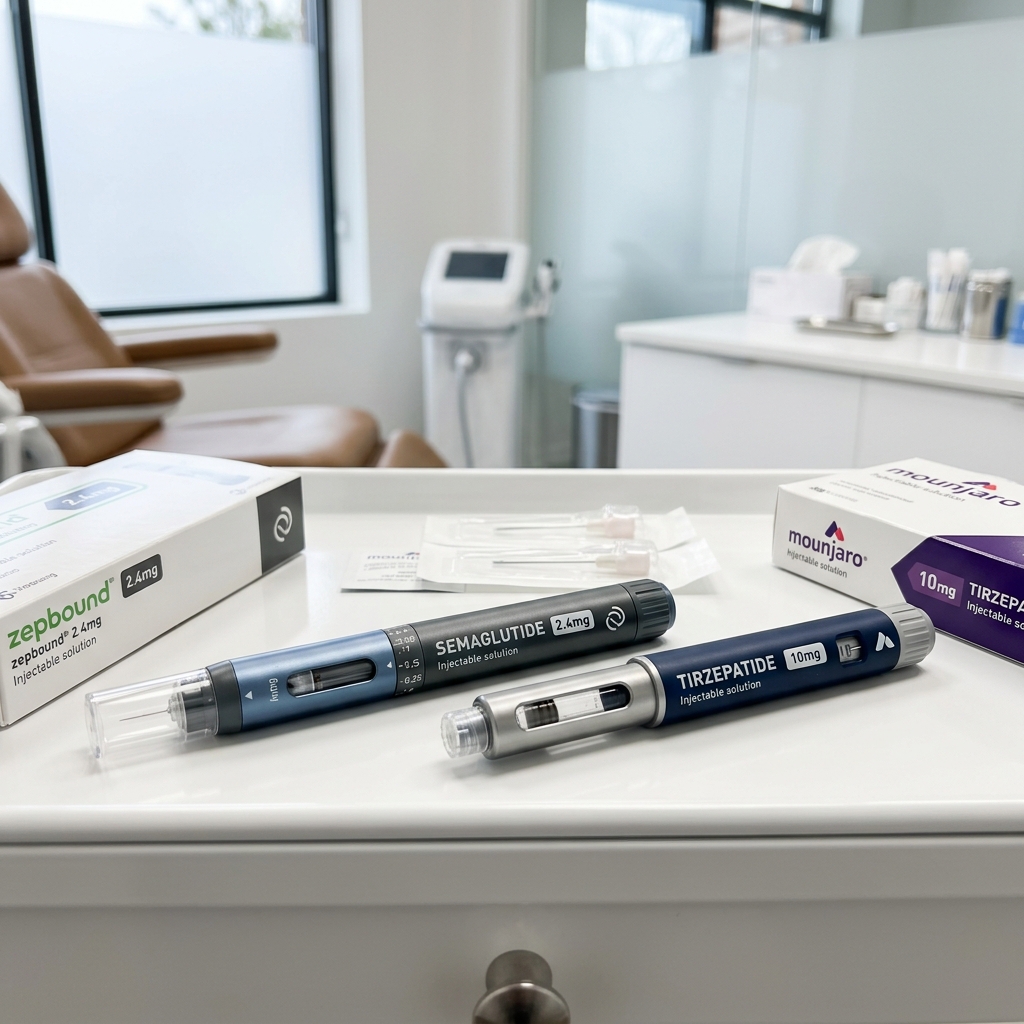
Wegovy (semaglutide 2.4mg weekly injection) and Mounjaro (tirzepatide up to 15mg weekly injection) are currently the most effective MHRA-approved weight loss medications available in the UK. They work by mimicking gut hormones that regulate appetite, and in clinical trials they have produced average weight losses of 15–22% — outcomes previously only achievable with bariatric surgery.
But both require weekly self-injection via a pen device. While the injections are virtually painless and most patients adapt quickly, needle aversion remains a real barrier for a significant proportion of people who could otherwise benefit from this class of treatment.
Oral Semaglutide: Already Here, Being Improved
Oral semaglutide already exists in a low-dose form — Rybelsus (3mg, 7mg, 14mg) is approved in the UK and Europe for the management of type 2 diabetes. However, the doses used for diabetes are too low to produce meaningful weight loss.
The key challenge with oral GLP-1 peptides is absorption. GLP-1 is a large peptide molecule that is rapidly broken down in the stomach before it can reach the bloodstream in meaningful quantities. Rybelsus addresses this using a co-formulation with sodium N-[8-(2-hydroxybenzoyl) aminocaprylate] (SNAC), an absorption enhancer that briefly creates a local alkaline microenvironment in the stomach to facilitate absorption.
Novo Nordisk is currently developing high-dose oral semaglutide (50mg) specifically for weight loss under the name Wegovy Oral. Phase 3 trial data from the OASIS programme showed:
- Average weight loss of 17.4% at 68 weeks in patients with obesity (without diabetes)
- Comparable to the injectable formulation’s STEP trial results
- Well-tolerated, with a side effect profile similar to injectable semaglutide
Regulatory submissions for oral semaglutide for weight management are underway in both the US (FDA) and Europe (EMA). A UK launch is anticipated within the next 12–18 months, subject to MHRA approval. At Prescriptly, we are monitoring this closely and will offer it as soon as it becomes available.
Orforglipron: A Fully Oral Small-Molecule GLP-1 Agonist
Orforglipron, developed by Eli Lilly, is a fundamentally different type of oral GLP-1 treatment. Unlike semaglutide — which is a large peptide molecule that requires special formulation tricks to survive the stomach — orforglipron is a small molecule non-peptide GLP-1 receptor agonist.
This is a significant distinction. Small molecules are inherently stable in the gut, easily absorbed from the intestine, and do not require special co-formulation. They can be taken at any time of day without the complex fasting requirements of Rybelsus.
Phase 3 trial results published in 2025 showed orforglipron producing weight losses of 7.9% to 9.4% across different doses over 36 weeks — with the trial still continuing. Extrapolated to 72 weeks (comparable to the semaglutide and tirzepatide trials), analysts project weight losses approaching 14–16%.
Orforglipron is expected to seek regulatory approval in 2026, and if approved, would be the first true once-daily weight loss pill — no injections, no special timing requirements, no peptide formulation complexity.
Retatrutide: The Triple Agonist
If Mounjaro’s dual GIP+GLP-1 action represents a step beyond Wegovy, retatrutide takes it a step further still. Developed by Eli Lilly, retatrutide is a triple agonist — it activates GIP, GLP-1, and glucagon receptors simultaneously.
The addition of glucagon receptor activity is particularly interesting. Glucagon increases energy expenditure (the body burns more calories at rest), mobilises fat from storage, and suppresses appetite through a different central pathway to GLP-1. The combination of all three mechanisms appears to be additive.
Phase 2 trial results presented at the American Diabetes Association Scientific Sessions were remarkable:
- At the highest dose (12mg weekly), patients lost an average of 24.2% of their body weight over 48 weeks
- 100% of patients on the highest dose achieved at least 5% weight loss
- 83% achieved at least 15% weight loss
Phase 3 trials are now underway, with regulatory submissions expected in 2026–2027. Retatrutide, if approved, would represent the most effective pharmacological weight loss treatment ever developed.
Cagrilintide + Semaglutide (CagriSema)
Another late-stage candidate is CagriSema — a fixed-dose combination of semaglutide (GLP-1 agonist) and cagrilintide (a long-acting amylin analogue). Amylin is a hormone co-released with insulin from the pancreas that independently slows gastric emptying and reduces food intake.
Phase 3 REDEFINE trial data showed CagriSema producing average weight loss of around 22.7% over 68 weeks — essentially matching tirzepatide’s best results, but with a different mechanism. This gives physicians and patients an additional tool, particularly for those who have plateaued on GLP-1 monotherapy.
What This Means for Patients in the UK
The pace of development in this field is extraordinary. Within the next two to three years, UK patients are likely to have access to:
- Injectable tirzepatide (Mounjaro) — already available through Prescriptly
- Oral high-dose semaglutide (Wegovy Oral) — likely 2026
- Orforglipron — a true daily pill, potentially 2026–2027
- Retatrutide — the most potent candidate, potentially 2027
- CagriSema — combination therapy for patients who need additional efficacy
At Prescriptly, we track regulatory developments and clinical data for all of these treatments. As each receives MHRA approval, we will evaluate it for inclusion in our clinical offering and notify patients who have expressed interest.
The coming years will see weight management pharmacotherapy become significantly more accessible — both in terms of formulation (pills rather than injections) and in terms of efficacy. If you want to start your journey now with the best currently-available treatments, our clinical team is ready to help you find the right option.